Landscape
DTU has a vision of the landscape as a distinctive and sensory setting. The landscape and green spaces will continue to be central to DTU’s identity. Therefore, all outdoor spaces should be attractive and welcoming, providing opportunities for academic and social activities as well as for movement and recreation.
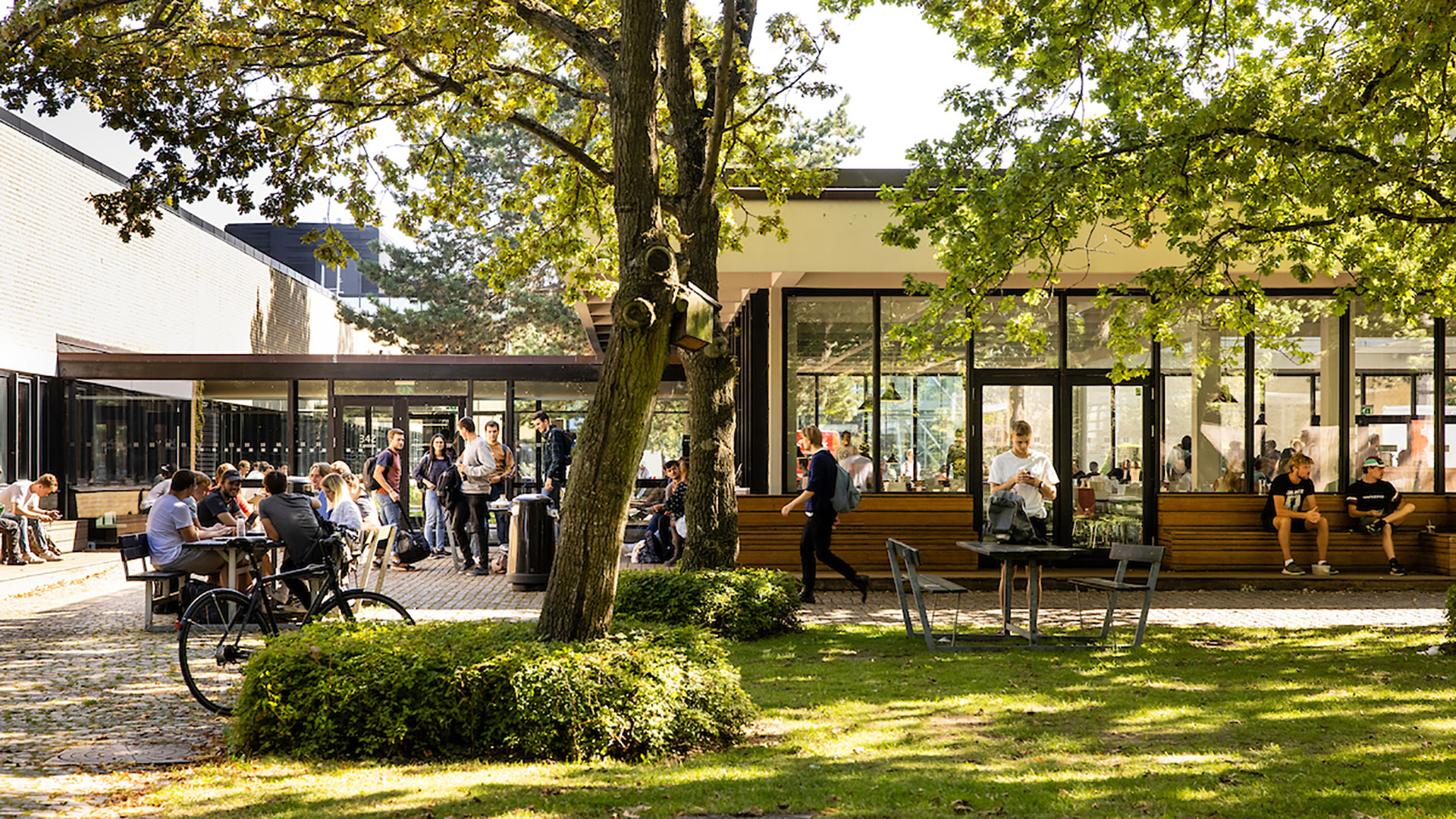
The Landscape as a Distinctive and Sensory Setting
The landscape is an integral part of the University’s identity and should be preserved and strengthened. A landscape-based campus has a positive impact on both learning and well-being, helps reduce stress, and also contributes to climate adaptation and biodiversity.
The landscape plays an important role across all DTU campuses. Ranging from natural to more cultivated settings, it supports an active, inspiring and welcoming campus environment while creating unique outdoor experiences.
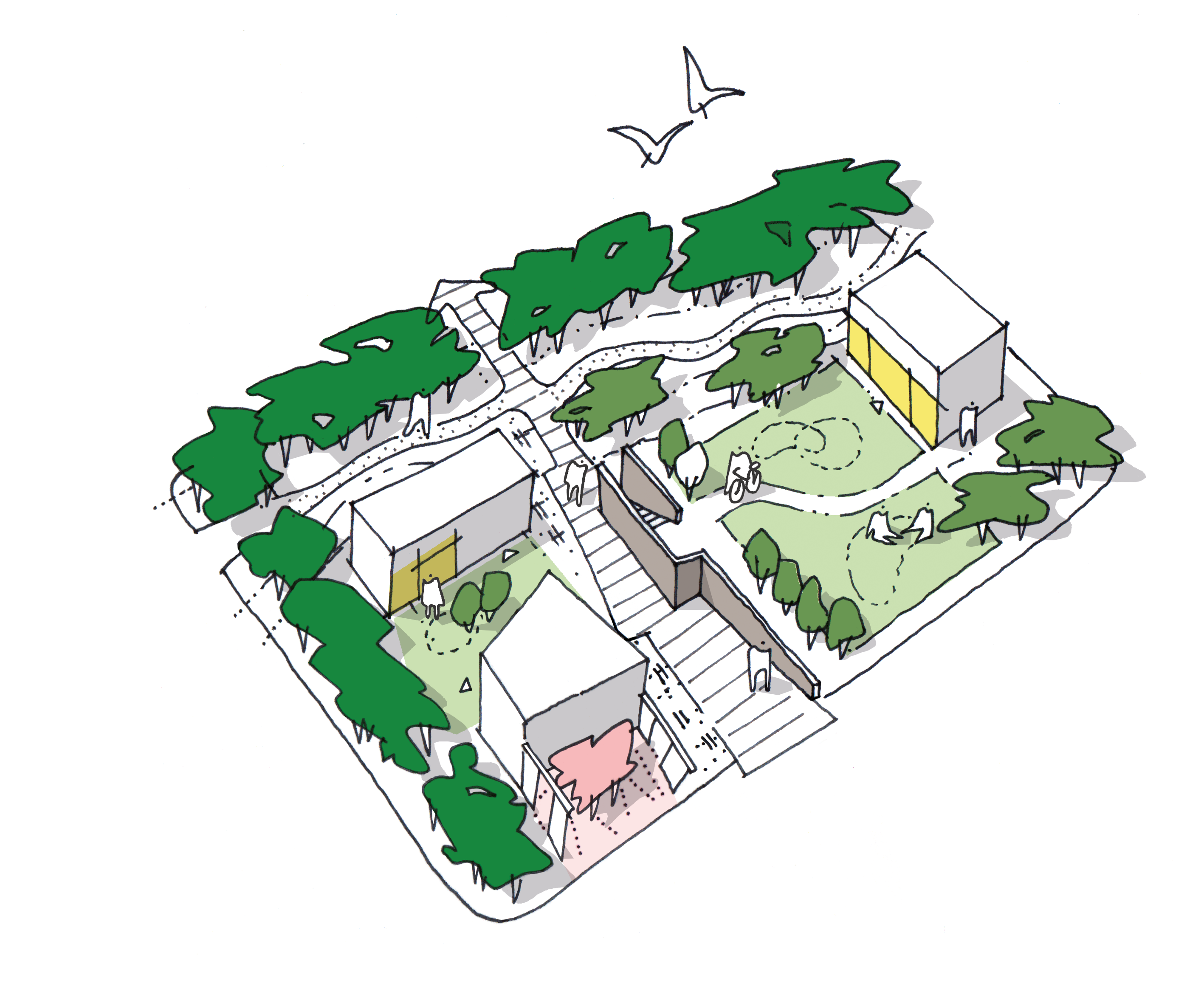
Landscape Within Reach
The green spaces should not only support learning and knowledge sharing, but also provide students and researchers with opportunities for reflection and relaxation. An important aspect of the planning process is to take the Danish climate into account. Outdoor spaces should be designed to be usable for as much of the year as possible and at different times of day. For example, seating and gathering areas should make the most of sunlight while also offering shelter from the wind.

Greater Biodiversity
DTU should be a haven for everyone, including plants, animals, researchers, students and neighbours. Just as we push the boundaries of technology and the green transition, we must also do so in creating a greener campus with greater biodiversity. Species diversity should be enhanced with a focus on native species and with respect for the landscape qualities of the campus.
Example: In the woodland belt surrounding Lyngby Campus, characterised by oak trees that are more than 50 years old, an understorey of native Danish species is being established. This will be achieved, among other ways, through natural seed dispersal and management practices focused on enhancing biodiversity, while deadwood will be left in the understorey to support wildlife. The woodland belt will be expanded wherever possible and was extended by 2,000 new trees in connection with the construction of the Northern Path.
More broadly, DTU is working to promote biodiversity across its campuses and, in 2023, published the Biodiversity Guidelines for DTU Lyngby Campus.