From a Worn-Out Lecture Hall to the Learning Environments of the Future

Modern learning environments are essential for attracting talented and dedicated students to DTU. They require a high standard of physical facilities and technical equipment that support a wide range of teaching and learning formats.

The renovation of Building 208 at DTU's Lyngby Campus is the latest example of DTU's efforts to develop future-ready learning environments and supports the university's ambition to be a world-class technical university.

As the first building in Denmark, the renovation has achieved DGNB Platinum certification, combined with two additional distinctions within sustainable construction. Read more here.

Press photos: Find before-and-after photos of Building 208 here (credit: DTU and photographer).

Life in the Building Around the Clock

Building 208 has truly been brought to life. In the transformation of the building, we have incorporated advanced technical systems not least lighting that works seamlessly with Koppel's original architectural design. 

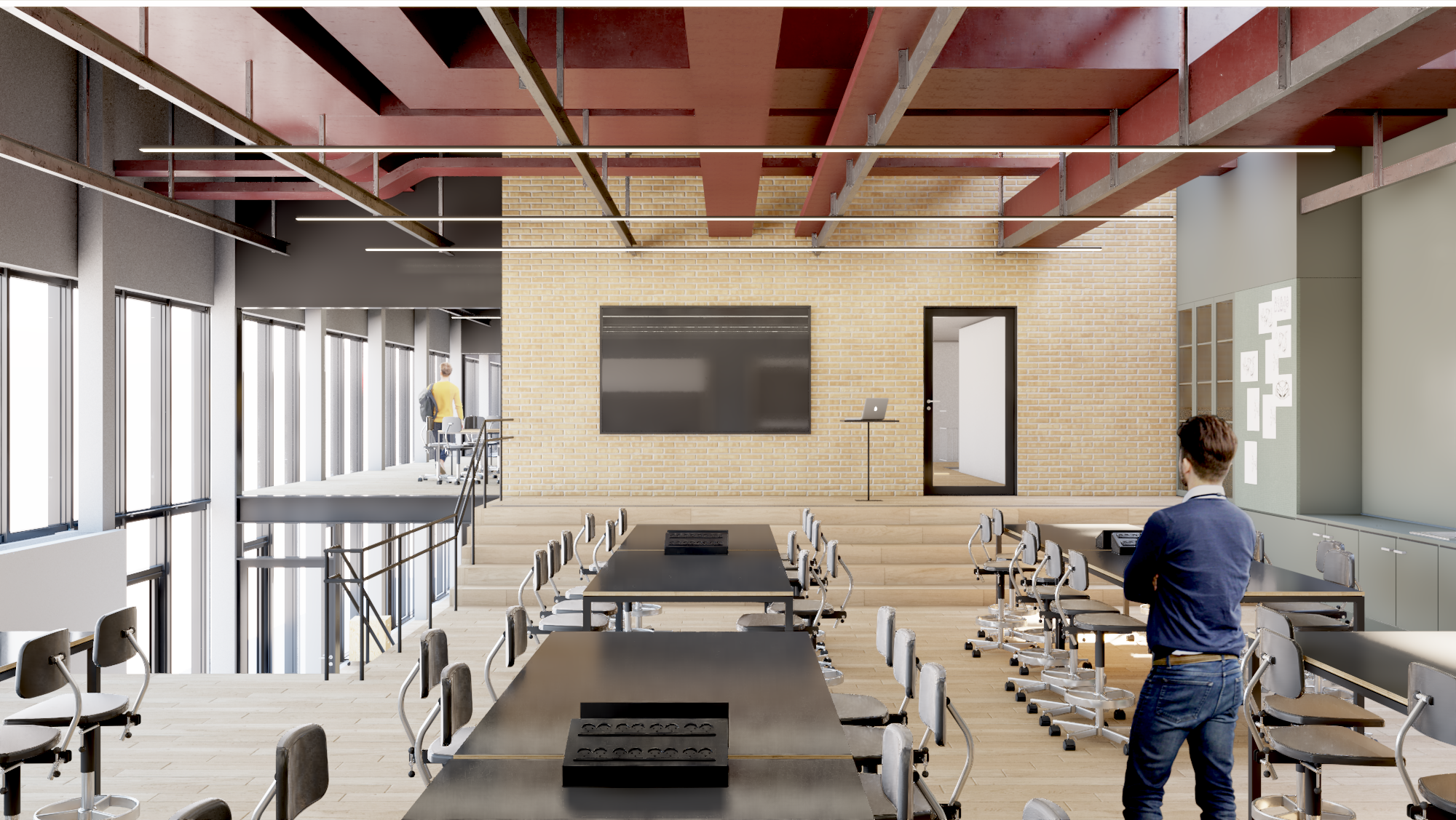
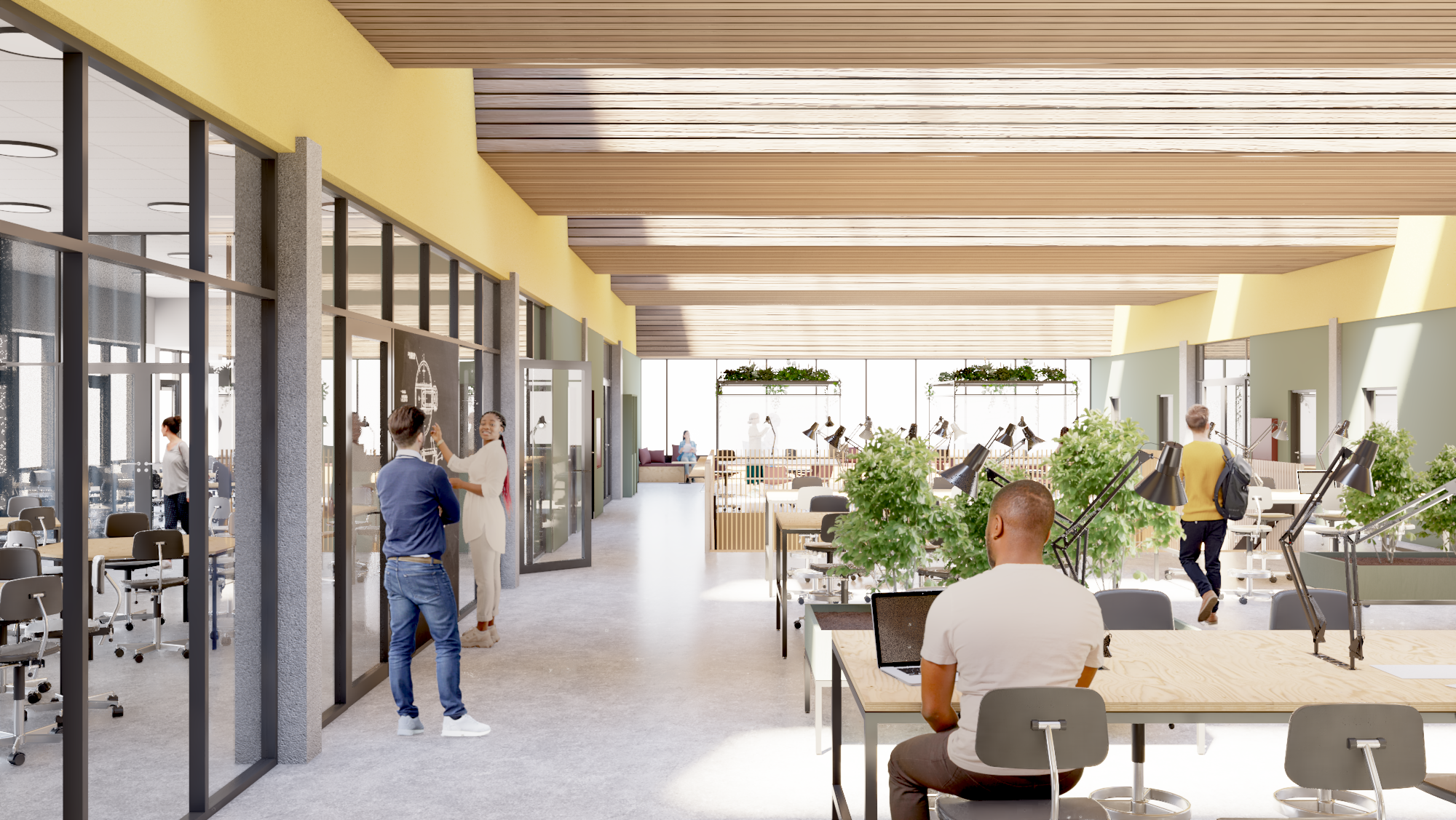
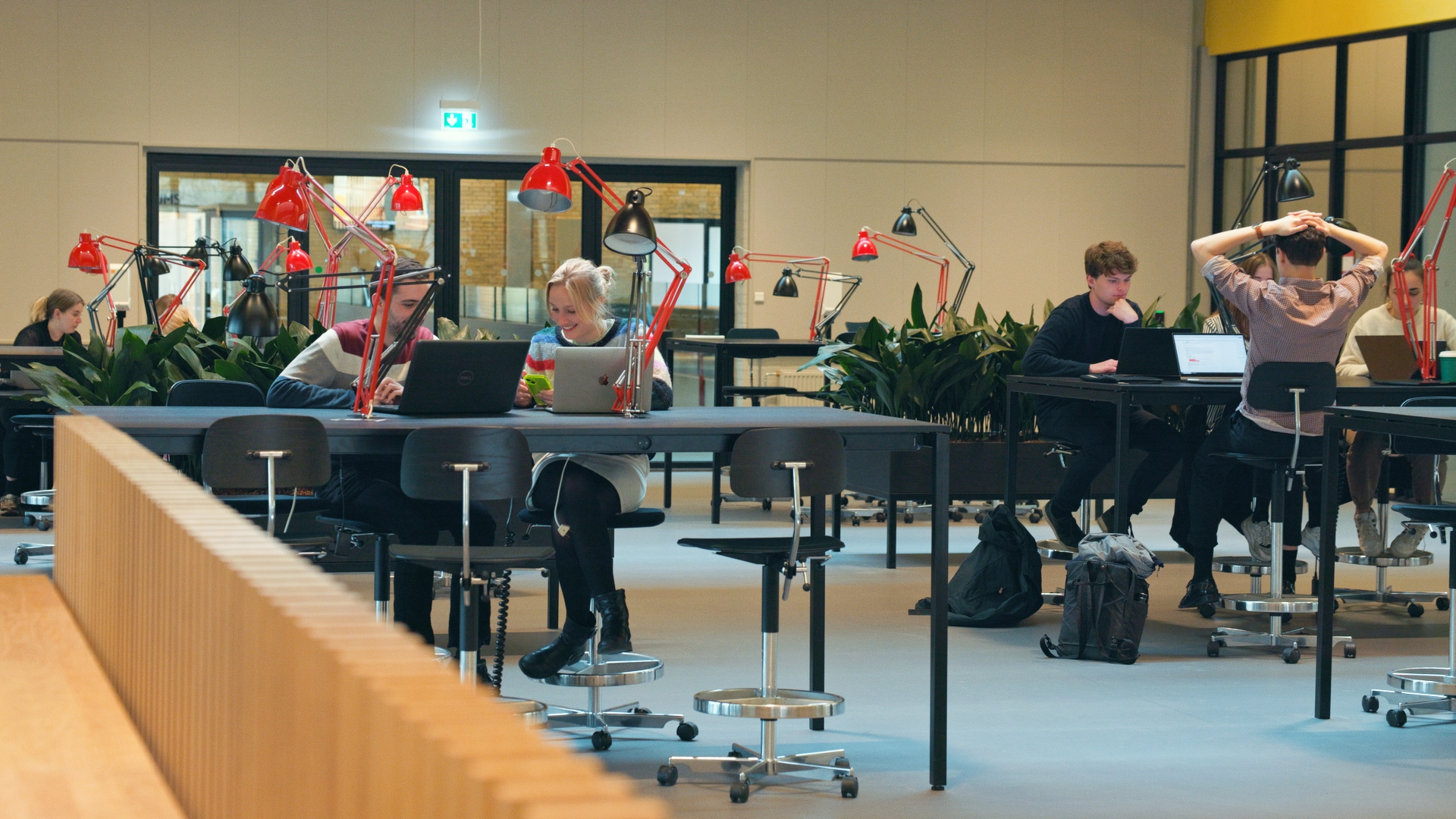
Today, instructors can use a wide range of teaching formats in Teaching Building 208. Between classes, students can use the building for group work and social activities.

Read more in Newsletter 4, Which you can find in right-hand column (desktop) or below (mobile), and watch the video below, where the project owners, lighting designers, and students explain how technology enhances Teaching Building 208 for the future and how cultural life gives the building its unique character.

Snip Kontraframe
DTU/Kontraframe

Student Life with Cultural Heritage as a Backdrop

Cultural activities play a key role as DTU develops the framework for a vibrant student life. In Building 208, students can meet, focus on their studies, or relax at Etheren.

The volunteer bartenders at Friday's Bar help create a safe and inclusive culture. A creative use of color and the presentation of the history of science and technology create a welcoming atmosphere and connect the past with today's studies in chemistry and life science.

Read more in newsletter 3, which you can in the right-hand column (desktop) or below (mobile), and watch the video below, where project owners, artists, historians, and students share how they are working to create an environment that supports focus, community, and innovation.

Screen dump af video
DTU/Kontraframe

In the coming months, you can learn more about DTU's cultural history and the development of technology in society through the exhibition 'Complex Connections' in Building 208 at DTU Lyngby Campus.

The exhibition places a special focus on chemistry and life science and, using objects from DTU's historical collections, tells the story of DTU's development from its beginnings as a small academy in 1929 to the internationally recognized technical university it is today.

The development of technology and knowledge is inseparably linked to politics, culture, the environment, and people. In the exhibition, you will encounter stories about everything from diversity, ethics, and Nobel Prizes to what engineering students were expected to learn back in 1829.

The exhibition is created by DTU Technology History - DTU's historical department and collection in collaboration with Campus Service. It is based on the idea of giving DTU's buildings and learning environments a strong academic identity through cultural heritage.
DTU Technology History offers free guided tours for employees and students.

Book a guided tour

Sustainability in Focus

Sustainability is a key priority as DTU develops its campus. Campus Service takes a holistic approach to sustainability, and the transformation of Building 208 is a strong example of this.

As the first building in Denmark, the teaching building has achieved DGNB Platinum certification, combined with two additional distinctions - DGNB Heart and DGNB Diamond within sustainable construction. (Article: DTU achieves prestigious sustainability certification)

DTU has thus transformed a worn-down teaching building into a state-of-the-art setting for the learning environments of the future. The renovation of Building 208 has been carried out with respect for Koppel-Parret's original architecture, ensuring that the building's overall architectural expression is preserved while its carbon footprint is reduced. The project has focused on creating a healthy indoor climate and preserving as much of the bulding's original materials and furnishings as possible.

Read more in newsletter 2, which you can find in the right-and column (desktop) or below (mobile), and watch the video below, where the client, consultants, and contractor explain how they identified the most sustainable solutions.

Billede fra youtube-video
Movie: DTU/Kontraframe

A Modern Beacon for Learning

In Building 208, DTU has created the framework for a world-class learning environment. Students and instructors in chemistry and life science now have access to state-of-the-art facilities for new teaching formats, study zones for group work, and spaces for social activities.

Research in higher education shows that effective learning requires a variety of teaching formats. 
That is why DTU has designed teaching and study environments that support traditional instruction, group work, and informal learning activities. In Building 208, students can also build social communities for example in the dance hall or at the Friday Bar.

Read more in newsletter 1, available in the right-hand column (desktop) or below (mobile), and watch the video below, where project owners, instructors, and consultants explain how they are bringing the vision for the learning environments of the future to life in Building 208.

Vel orci porta non pulvinar
Lorem ipsum dolor sit amet, consectetur adipiscing elit, sed do eiusmod tempor incididunt ut labore et dolore magna aliqua. Ut enim ad minim veniam, quis nostrud exercitation ullamco laboris nisi ut aliquip ex ea commodo consequat.

Four new types of learning environments

Active Learning Classrooms (ALC) are teaching spaces designed for active learning, where students and instructors collaborate around shared tasks. The classrooms are arranged with round group tables seating up to six students, interactive whiteboards, upholstered furniture, an AV system for sound and visuals (plug and play), and loft-mounted lighting. Visualization: DTU/NERD Architects.
Makerspaces are teaching laboratories designed for project-based group work and experimental prototyping, or for digital learning conducted online. The rooms are equipped with mobile workstations, large worktables, and wall-mounted storage for tools and equipment, interactive boards, power outlets, streaming facilities, and machines such as 3D printers, laser cutters, and CNC mills. Visualization: DTU/NERD Architects.
The brainstorm area is an open space where groups of up to six people can sit in soft, flexible furniture and generate ideas together. The area features writable walls, atmospheric lighting, comfortable seating, good acoustics, and smaller, low-height worktables. Visualization: DTU/NERD Architects.
The touchdown area provides space for informal meetings in small groups, where people can stand or sit for shorter periods. The area features high tables, bar-height chairs, focused task lighting, and writable surfaces. Visualization: DTU/NERD Architects.

Contact

Marianne Thorbøll

Marianne Thorbøll Projektleder / DGNB-Konsulent Bygninger Campus Service Mobil: 9351 1885

Per Steen Løje

Per Steen Løje Projektleder Campus Service Mobil: 2012 5220